
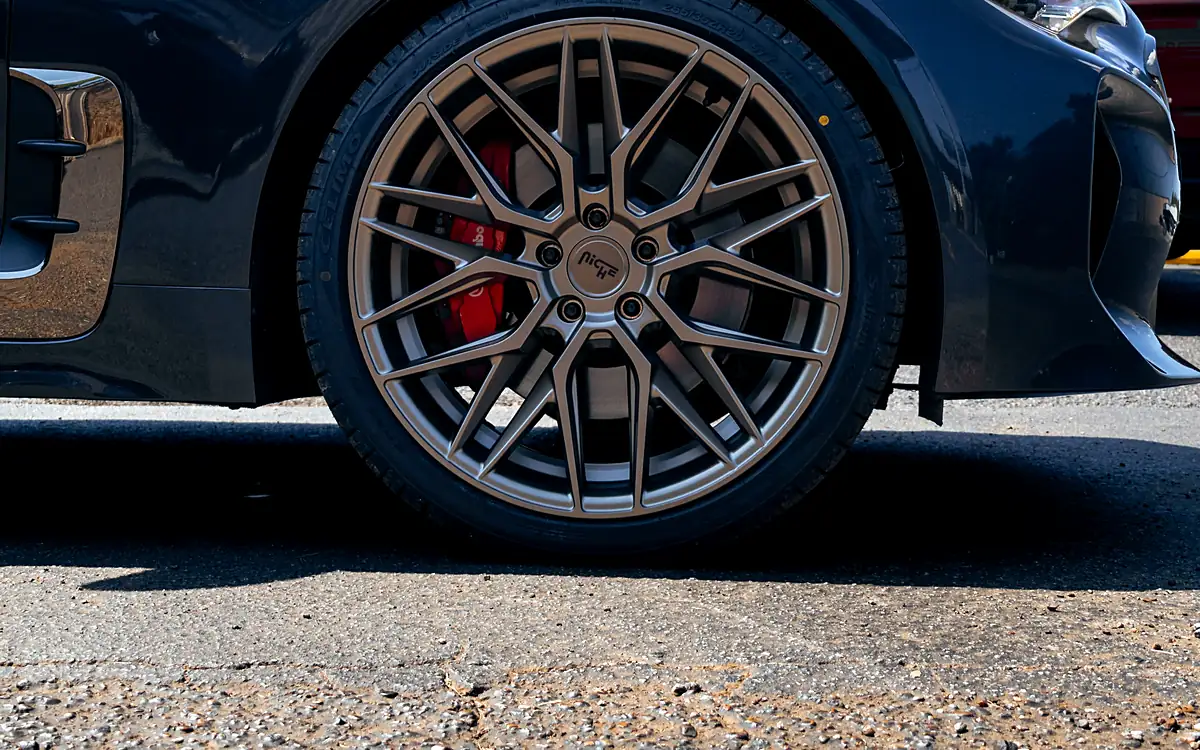
Brake pads usually last about 25,000 to 60,000 miles, depending on how and where you drive. New pads are about 10mm thick, and they should be replaced at about 3mm. Squealing, grinding or a longer stop are the signs it's time for a brake inspection.
We replace pads, rotors, calipers and drums at our Tyler and Longview shops. A brake inspection takes about 30 minutes and you get the quote before any work starts.
How long do brake pads last?
Brake pads usually last about 25,000 to 60,000 miles. Haynes, the repair manual people, put it at 40,000 to 100,000 km, which is roughly that range in miles. Where you land inside it depends on how you drive and what you drive.
A highway commuter who coasts up to lights can see the high end. A truck that tows, carries a full bed and lives in stop-and-go traffic on Loop 323 will see the low end and a few new gray hairs along the way. Heavy wheels and big tires also make the brakes work harder, so a lifted truck on 35s eats pads faster than it did stock.
| Pad thickness | What it means | What to do |
|---|---|---|
| About 10mm | New pad | Nothing, enjoy it |
| 5 to 6mm | About half worn | Plan for pads at your next service |
| 3mm | Replacement point | Replace the pads |
| Under 2mm, or grinding | Worn through or close to it | Stop putting it off, the rotors are next |
Brake pad thickness: new vs worn
A new brake pad is about 10mm thick, and it should be replaced at about 3mm. Haynes puts it plainly: "you should probably replace your brake pads once they wear down to 3mm." That's about the thickness of two stacked credit cards.
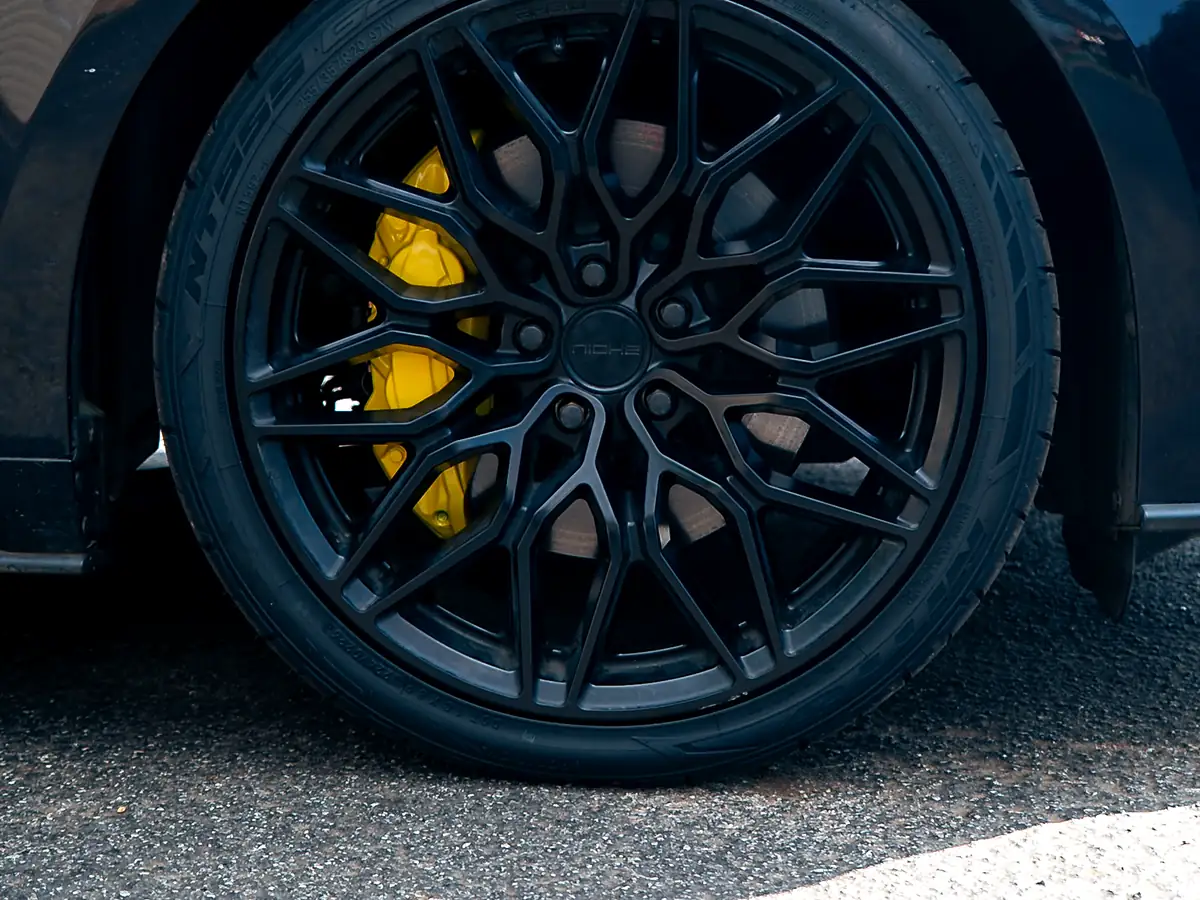
On many vehicles you can see the outer pad through the wheel spokes. Look for the pad material pressed against the shiny rotor. If the friction material looks thinner than the metal backing plate behind it, you're getting close.
Big open wheels make this easy. Tiny wheel openings make it a flashlight-and-squinting project you'll abandon after ten minutes.
When to replace brake pads
Replace brake pads when they reach about 3mm, when the wear indicator starts squealing, or when you hear grinding. Don't wait for a mileage number alone, because the same 40,000 miles can mean half-worn pads on one truck and gone pads on another.
The squeal is built in on purpose. Haynes notes that some pads "incorporate audible wear indicators (that squeal as the brakes wear low)", which is a small metal tab doing its best impression of a smoke alarm. It's annoying by design, and it works, as long as you don't turn the radio up to win the argument.
Squealing at every stop? A 30-minute brake inspection tells you exactly what's left. See brake repair in Tyler and Longview.
Grinding brakes
Grinding brakes usually mean the pad material is gone and metal is rubbing on the rotor. That's no longer a pad job. A worn pad that keeps going scores the rotor, and a scored rotor usually gets replaced along with the pads.
Grinding also means stopping gets worse, because metal on metal grips poorly and heats up fast. If your brakes grind, the cheapest version of this repair was last month. The second cheapest is today.
Signs you need new brakes
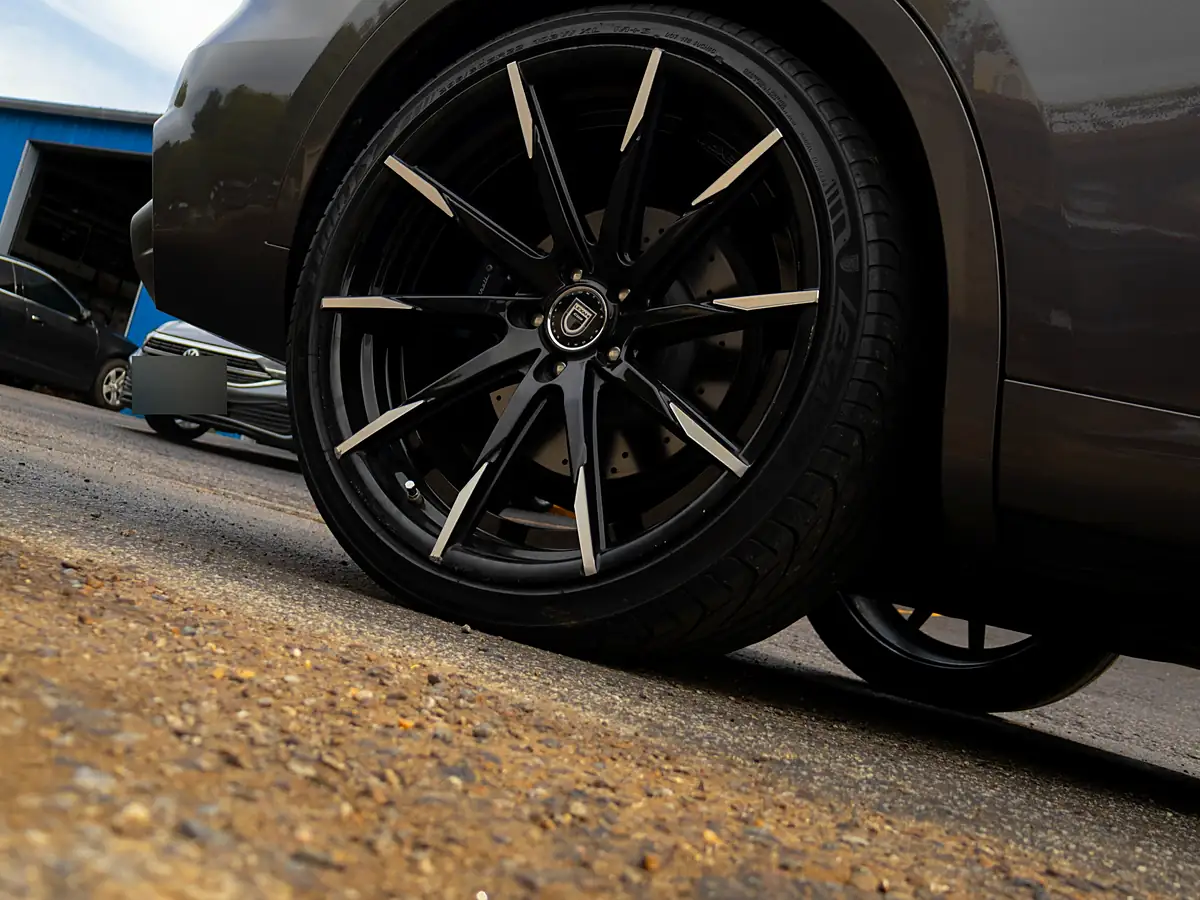
The signs you need new brakes are a high squeal when you stop, grinding, a soft or spongy pedal, a pull to one side when braking, a shake in the steering wheel when you brake, or a brake warning light. Any one of those is worth a 30-minute inspection.
- Squealing at most stops, from the wear indicator
- Grinding, metal on metal
- A spongy pedal that sinks lower than it used to
- Pulling to one side only when you brake
- A shake in the steering wheel when braking, often from the front rotors, which we cover in why your steering wheel shakes when braking
- The brake warning light on the dash
What we see in the bay
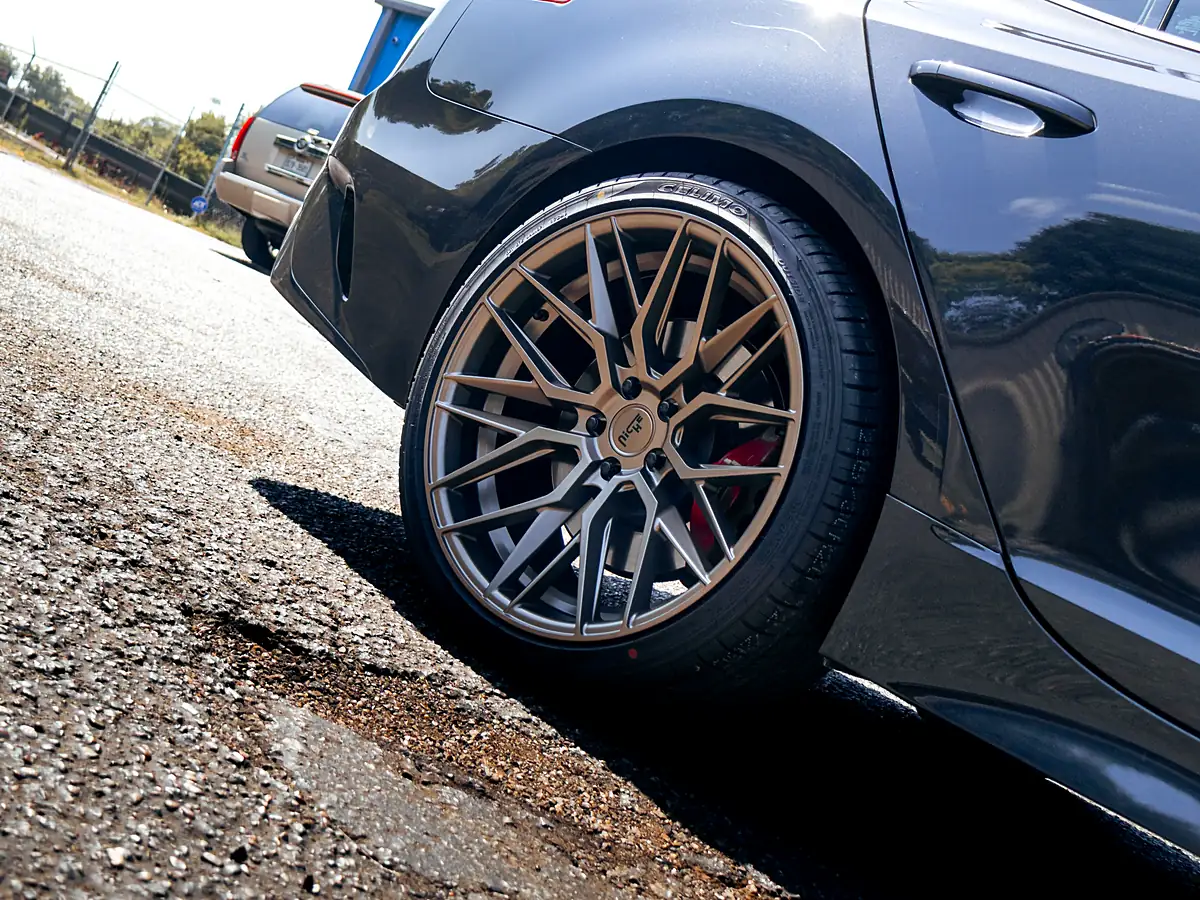
The priciest brake job is usually the one that waited one squeal too long. Pads alone would have done it a month earlier. Wait, and it's pads and rotors.
Brakes also turn up when people come in for something else. Susan Fenton came to our Longview shop for tires and rims and wrote: "They also noticed my brakes needed to be replaced and were able to take care of them the same day, which saved me another trip." That's what an inspection is for. Here are our usual job times.
- Brake inspection: about 30 minutes
- Rotor replacement: about an hour
- Front or rear disc brake job: about two hours
- Rear drum brake job: about two hours
Brake pad questions
How many miles do brake pads last?
Should I replace rotors with brake pads?
Do front or rear brake pads wear faster?
How long does a brake pad replacement take?

Squeal, grind or soft pedal? We inspect first and quote it straight before any work starts. See brake repair in Tyler and Longview, or call Tyler at (903) 500-8557 or Longview at (903) 500-9626.