
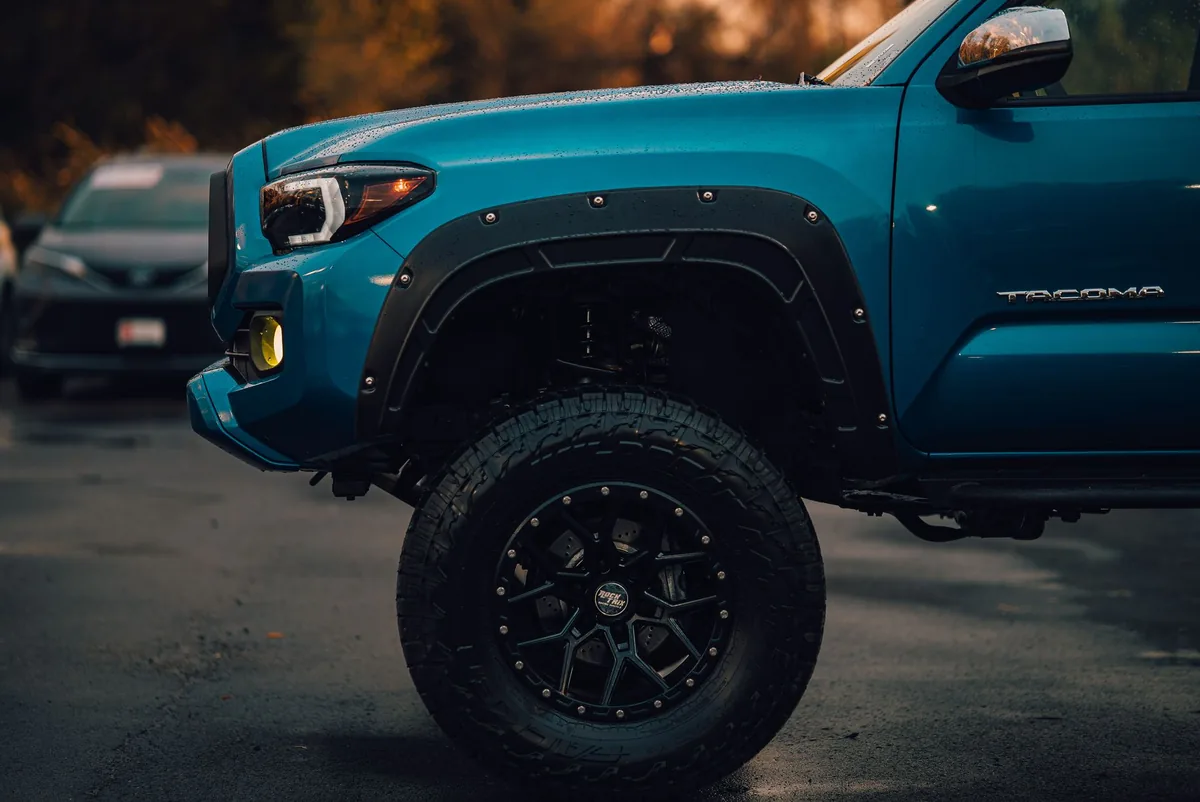
Custom wheels & rims
Custom wheels and rims in Tyler and Longview
Explore wheel options for your car, truck or SUV in Tyler, Longview and Marshall. Choose the material, construction and finish that suit your vehicle and the look you want. Ask your chosen shop to confirm fitment, pricing and availability before you buy.
Try before you buy
See it on your
vehicle first.
Pick your year, make and model, then try wheel styles, finishes and tire sizes on it before you spend a dollar. Found the look? Send it over and we price it.
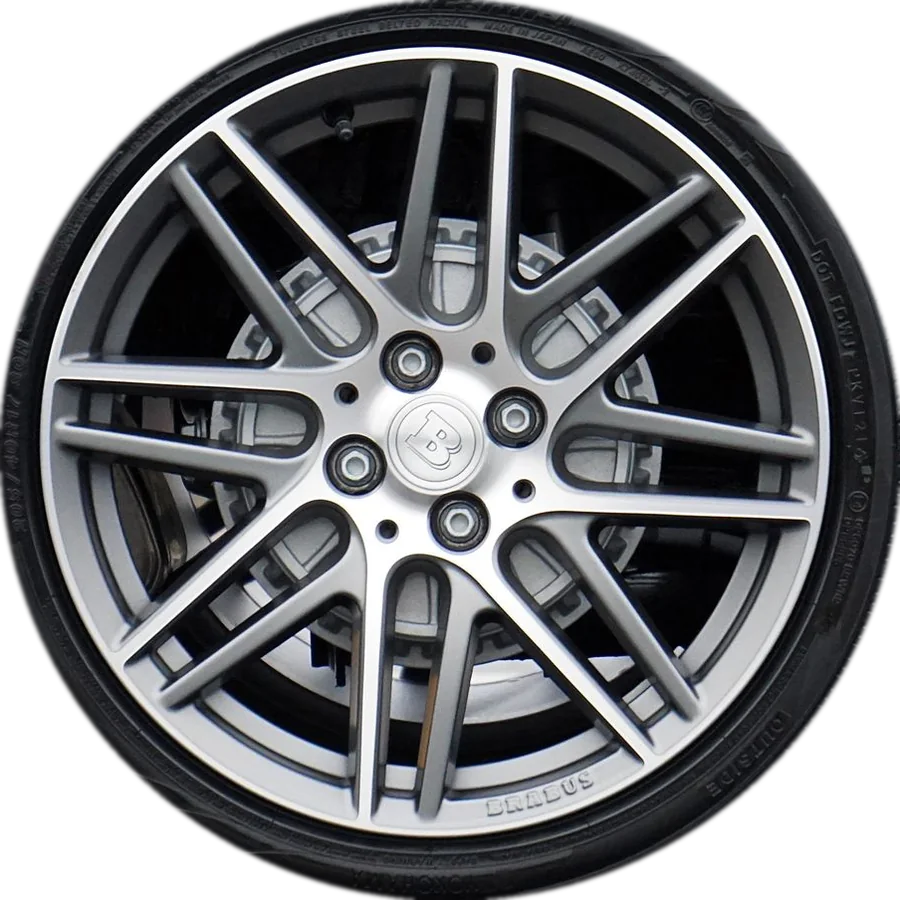
Fit checked first
Custom wheels,
verified to fit.
Tell us what you drive and the look you're after. We pull wheel options that fit your vehicle and confirm every number on it before you buy.
Know your wheels
Materials and finishes.
Know the difference.
Alloy and steel describe wheel materials. Chrome describes a finish. Compare the actual wheel's fitment, load rating and specifications, not just its look. Want a color the factory never offered? We handle powder coating rims and full refinishes too.
Alloy
Usually aluminum alloy. Weight, strength and intended use depend on the wheel's design and construction. Compare the specifications for the exact size and model.
Steel
Steel wheels are an option for many vehicles. Check available sizes, load rating and fitment for the job you need them to do.
Chrome
A reflective finish, not a separate wheel material or a guarantee of strength. Follow the wheel manufacturer's care instructions to protect the surface.
How they're made
Cast. Flow formed.
Forged.
Cast wheels
Many cast wheels use aluminum alloy shaped in a mold. Casting is a manufacturing method, not a promise of a particular weight, strength or price.
Flow-formed wheels
Starts with a cast wheel. Rollers shape the barrel as it spins. This is different from machining a wheel's face for a finish.
Forged wheels
Forged wheels can be made from aluminum alloy shaped under high pressure and machined to a final design. Weight and load capacity depend on the exact wheel, size and application.
Machined describes a cutting operation or surface finish, not a separate construction category. Ask us to compare the specifications and availability of wheel options for your vehicle.
Choosing right
Fit first.
Then looks.
Every driver buys wheels for a different reason. Three questions narrow the field fast, and none of them are about style.
Size
Wheel diameter and width work together with tire size, offset and clearance. Ask your chosen shop to confirm the combination for your vehicle before you buy.
Weight
Wheel and tire weight can affect how a vehicle rides and responds. Compare complete assemblies while keeping the required load rating and fitment.
Terrain
Where does the truck actually live? Daily highway miles, county roads, or weekends in the mud. Pick the wheel for its real job, not the showroom floor.
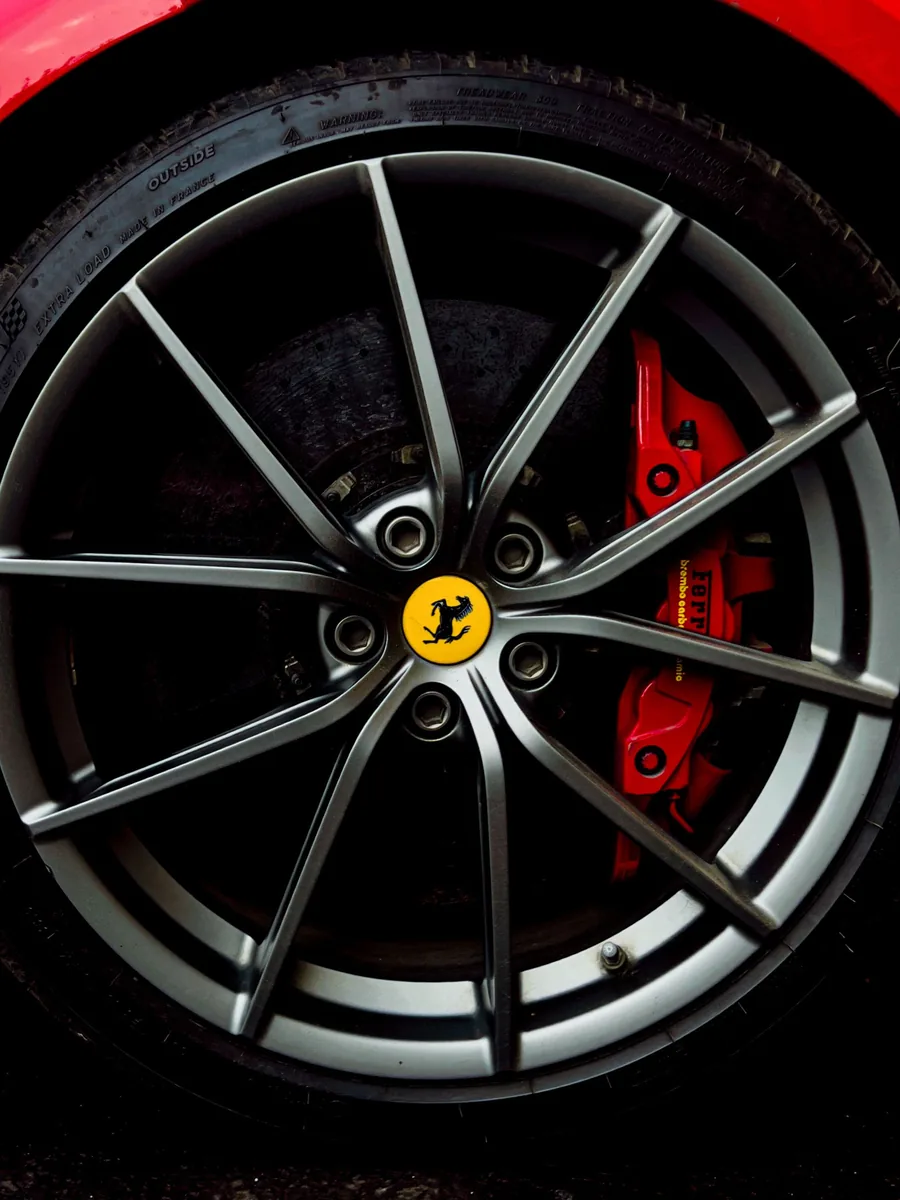
The fitment check
Measured.
Then mounted.
We check bolt pattern, offset, backspacing, load rating and brake clearance on your vehicle, not off a chart. If a setup won't clear, we tell you before you buy.
Good questions
Wheel and rim questions,
straight answers.
Will bigger wheels rub on my truck?
What does plus-sizing actually change?
How do I keep chrome wheels looking new?
Find your set.
See the Tyler shop on SE Loop 323 or the Longview shop on Spur 63. Ask your chosen shop to confirm fitment, availability and pricing.